


 Slovenščina
 Hrvatski
 Italiano
 Deutsch
 Austria
 Magyar
 македонски јазик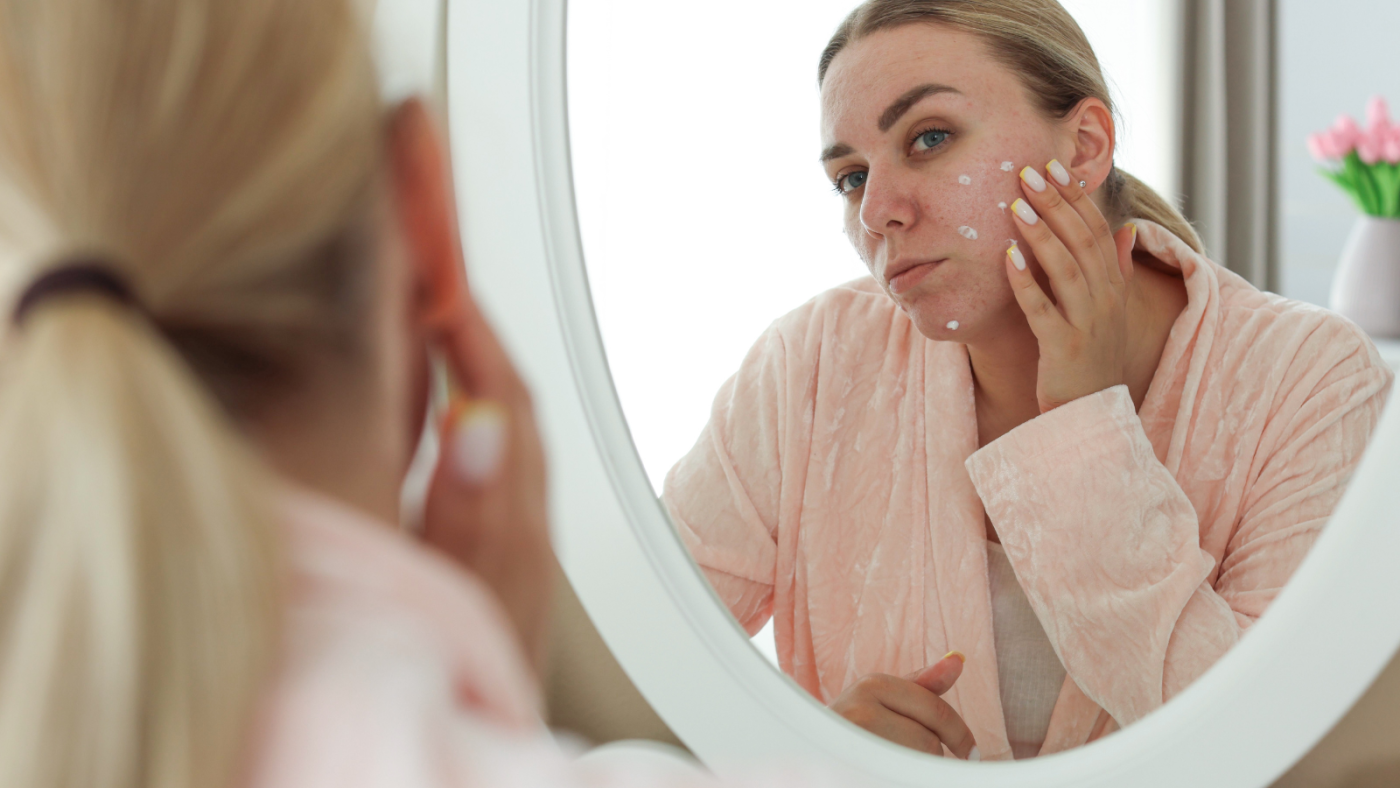
Saunas
Does Sauna Help with Acne? Effects of Sauna on Skin Health
Does sauna help with acne? Acne is not just a teenage problem. An increasing number of adults struggle with it as well—due to stress, hormonal changes, diet, and modern lifestyle habits. This is why many people often look for natural, supportive solutions that could improve skin condition without aggressive treatments.
One of the frequently mentioned options is the sauna. But does sauna really help with acne, or is it simply a widespread myth? The answer is more complex than it may seem at first glance.
Table of Contents:
How does a sauna affect the skin?
Does sauna really help with acne?
Finnish, infrared, or combination sauna
How to use a sauna properly?
Conclusion
How does a sauna affect the skin?
During a sauna session, the body is exposed to elevated temperatures, which triggers several processes:
- dilation of blood vessels,
- improved blood circulation in the skin,
- sweating,
- accelerated regeneration of skin cells.
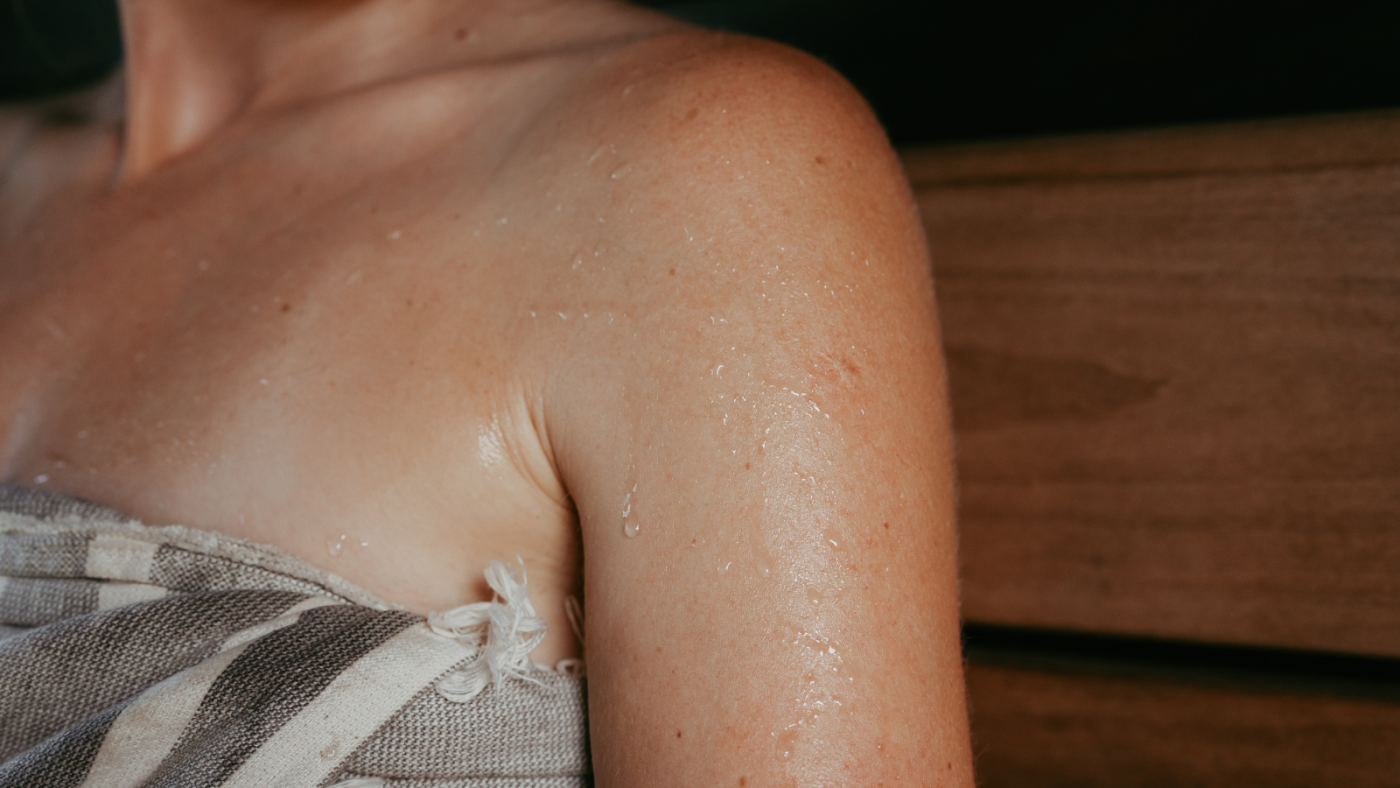
Better circulation means more oxygen and nutrients are delivered to the skin, which can have a positive effect on its appearance. However, it is important to understand that sweating itself does not cleanse the skin—it mainly causes the pores to open.

What does science say about sauna use and skin physiology?
Although there are no clinical studies that directly prove sauna use cures acne, there are studies that have examined the effects of regular sauna bathing on skin physiology.
One such study, published in the medical database (PubMed), showed that regular sauna use may have the following effects on the skin:
- increased hydration of the skin surface,
- improved protective function of the epidermis,
- reduced sebum (skin oil) levels on the forehead after sauna use.
Although this study was not directly focused on acne treatment, it suggests that sauna use may indirectly influence factors commonly associated with acne development—most notably sebum regulation, which plays a key role in clogged pores and inflammation.
This means that a sauna is not a treatment for acne on its own, but when used correctly, it can serve as a supportive element in skincare routines, especially for people with oily or acne-prone skin.
Does sauna really help with acne?
When a sauna can have a positive effect
A sauna can be beneficial mainly:
- for mild to moderate acne,
- for oily or blemish-prone skin,
- for stress-related acne,
- as a supportive part of a healthy routine.
Relaxation and stress reduction are not negligible factors, as stress is one of the most common triggers for acne flare-ups. Regular, moderate sauna use can therefore indirectly contribute to a more balanced skin condition.
When a sauna can worsen acne
A sauna may cause problems if:
- you have severe inflammatory or cystic acne,
- you stay in the sauna for too long,
- you do not cleanse your skin thoroughly after sauna use,
- you use unclean towels or seating surfaces.
For this reason, a sauna should never be understood as a standalone solution, but rather as a supplement to proper skincare.
Finnish, infrared, or combination sauna – which one is more suitable?
1. Finnish sauna
Finnish sauna operates at high temperatures (70–90 °C) and causes intense sweating.
Advantages:
- strong detoxification,
- deep relaxation,
- improved blood circulation.
Disadvantages for acne:
- may overly stress sensitive skin,
- not suitable for frequent use with problematic skin.
It is mainly suitable for people who tolerate sauna heat well and do not have pronounced inflammatory acne.
2. Infrared sauna
Infrared sauna operates at lower temperatures (40–60 °C) and heats the body deeply.
Why is it often a better choice for acne?
- less irritating to the skin,
- allows longer and more controlled sauna sessions,
- suitable for sensitive skin and beginners.
For skin concerns, an infrared sauna is often the most balanced and safest option.
3. Combination sauna (Finnish + infrared)
Combination sauna combines both technologies and allows adjustment based on skin condition and personal comfort.
This means:
- using infrared mode for sensitive skin,
- occasionally using Finnish mode for a more intensive effect,
- long-term flexibility and more usage options.
For home use, a combination sauna is often the most thoughtful investment.
How to use a sauna properly if you have acne?
To ensure that sauna use benefits your skin rather than harms it, follow a few basic guidelines:
- remove makeup and impurities before entering the sauna,
- always use a clean towel,
- use the sauna in moderation (10–15 minutes),
- shower thoroughly after sauna use,
- apply light, non-comedogenic skincare products,
- stay properly hydrated.
When it comes to skincare, the rule is: less is more. For severe or inflammatory forms of acne, it is always advisable to consult a dermatologist.
Conclusion: realistic expectations are key
A sauna is not a miracle cure for acne. However, it can be a useful supportive element in skincare when used correctly and thoughtfully. The key factors are:
-
choosing the right type of sauna,
-
moderation,
-
consistent hygiene,
-
realistic expectations.
When a sauna is understood as part of a broader wellness routine, it can have a positive impact not only on the skin, but also on overall health and relaxation.
Also check out other effects of saunas on your body and well-being.
You can choose your dream sauna in our online store: saunas.
Frequently Asked Questions
A sauna opens the pores but does not cleanse them. Proper cleansing should follow after sauna use.
It can be, but with caution. The face is the most sensitive area of the skin.
Usually 1–3 times per week, depending on the type of sauna and skin type.
Yes—often even more so than for the face, as the skin on the back is thicker.